Dark night of the soul, spiritual awakening, mental health event.
Whatever you call it, it’s when we’re faced with something (internal or external) that overwhelms our capacity to cope. I’m not neccessary claiming they’re all the same, but I do believe there can be overlap, and thus confusion when trying to determine what’s what.
We may realize some hard truths that we were previously avoiding or that just weren’t accessible to us (no judgement, ever). Time’s up on the way we were showing up to our life. It’s an invitation to reevaluate.
Dr. Nicole LePera (the Holistic Psychologist on social media) recently posted about the “Dark Night of the Soul” following the release of her book How To Do The Work.
She describes it as a period of grief and confusion that happens when our conditioned self (“self”) dies as we become more conscious.
During this time people often experience unfamiliar thoughts and feelings that can be difficult to process. They frequently start questioning the meaning and purpose of life, what happens when we die, and other existential themes.
Nothing is off limits. Everything that was previously known is called into question, and no stone is left unturned.
This can be triggered by trauma or just a natural increase in awareness. Either way it can be very disorienting.
Unfortunately people don’t always have access to adequate resources during this time. If they become dysregulated and unable to ground, they might be admitted to a psychiatric facility, given a diagnosis, and prescribed meds. This may or may not be helpful.
I’ve heard countless stories of inpatient stays being retraumatizing and not conducive to healing in any form. I’ve actually facilitated EMDR (trauma therapy) with clients on this experience.
Many say they could have prevented an inpatient admission altogether with a little more education on what was happening with their brain and body, and how to navigate it.
I am not by any means trying to discourage people from seeking support. If you or anyone you know is having thoughts of harming themselves or others, or is not able to orient to the surroundings, a higher level of care may be neccessary.
I am merely exploring this from multiple angles in hopes that we can expand our repertoire and have more tools available when the you-know-what hits the fan.
I’ve always thought it would be great if our mental health facilities resembled retreat centers and were accessible to everyone. They could be set in nature, serve healthy food, low EMF (wifi, smart meters, etc), and have group events like art and music therapy. ..this most likely isn’t a realistic goal at the moment due to multiple factors, but a girl can dream.
It is my sincere hope that the awakening process becomes a more accepted part of our culture, similar to puberty or menopause (not that we always do a great job with those either, but atleast they’re a known thing).
I look forward to the day when a “breakdown” is viewed as an initiatory experience, or rite of passage, like it is in the Shamanic traditions; and when people are held and supported as they pass through “the eye of the needle.”
I’m aware this is calling for an entire paradigm shift when it comes to the way we view mental health, but I truly believe it’s past time, AND that we’re more than capable.
Blog posts coming soon on my definition of an awakening, physical concerns that present as mental health symptoms, and 5 tools to help stay grounded when you’re feeling a little glitchy.
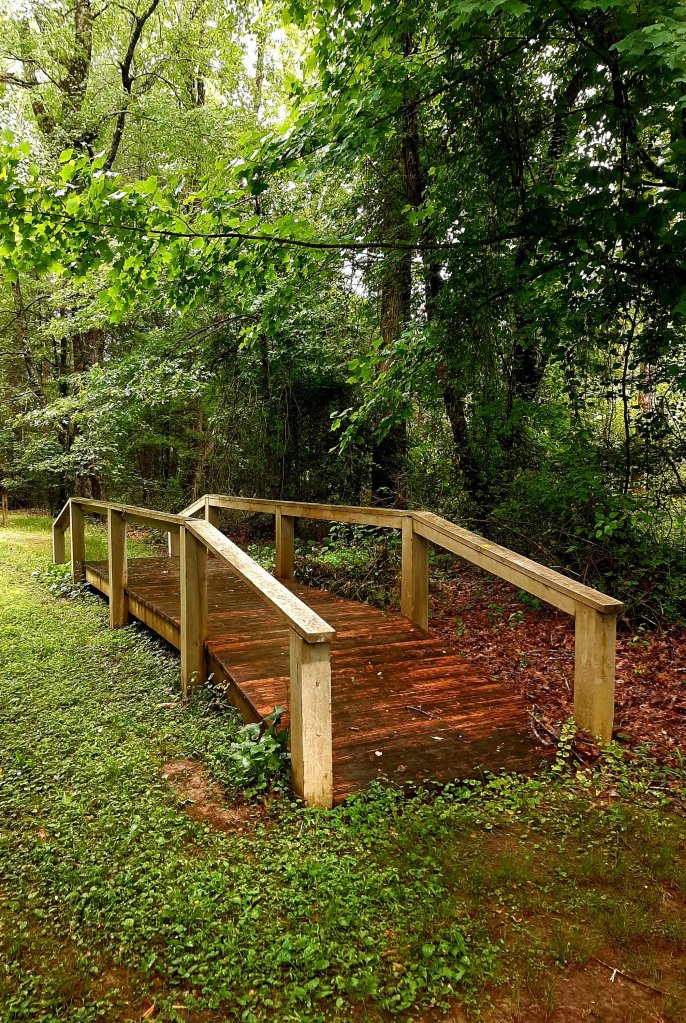
Photo: Camp Kanuga- Hendersonville, NC June 2021
 Anatomy of an Awakening